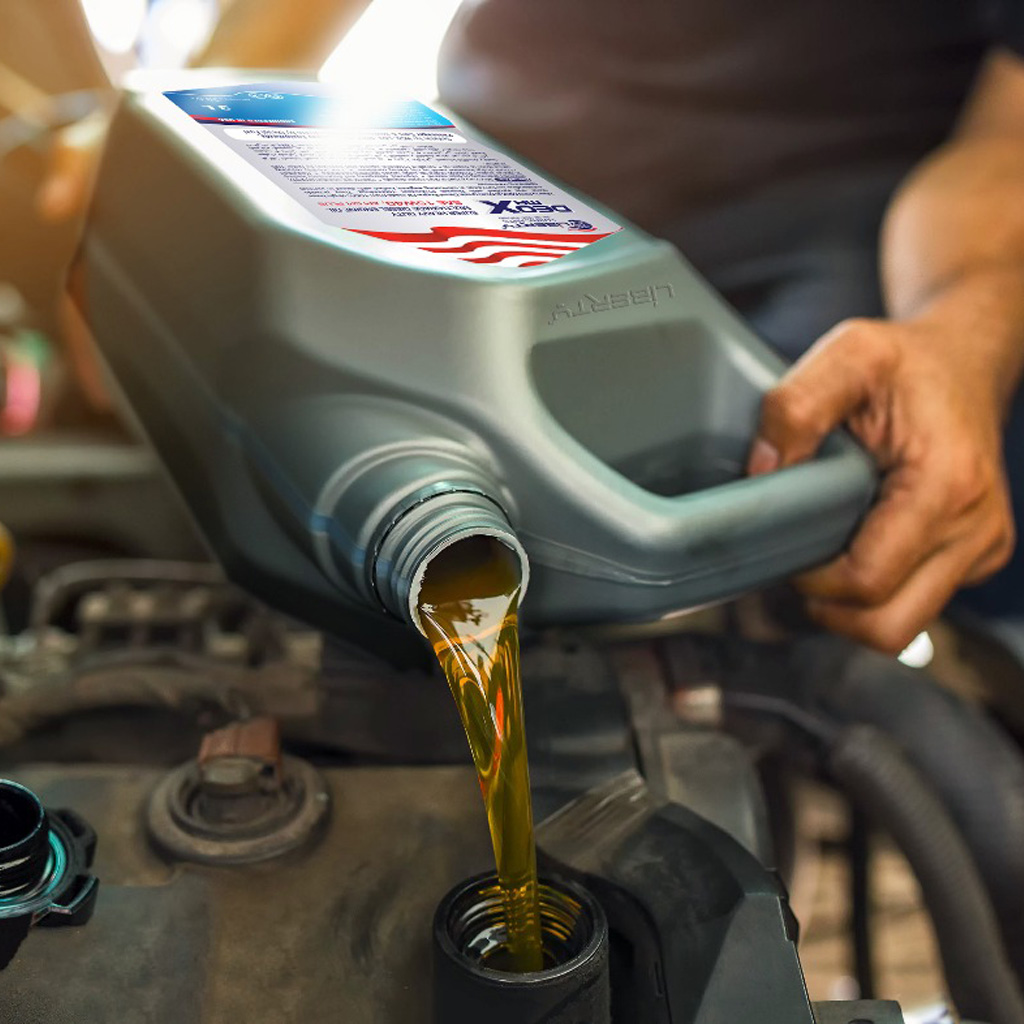

In an era when climate change, air-quality concerns and resource constraints increasingly shape industrial and vehicle operations, lubricant brands play a quietly powerful role. It’s not just about protecting engines. It’s about improving efficiency, reducing fuel consumption, minimising harmful exhausts, and supporting cleaner transport and mobility. This is where Liberty Lubricants steps into the spotlight.
1. The role of lubricants in emissions and efficiency
Lubricants may seem ancillary to the big picture of emissions and climate change — yet they are far from trivial. As noted in industry reports:
- A well-formulated lubricant reduces friction, helps engines run cooler and cleaner, and enables extended service life — which in turn means less frequent oil changes, lower disposal burdens and fewer leaks or contamination events. ([Fleet Maintenance][1])
- The lubricant industry is increasingly recognising the “use-phase” of a lubricant (i.e., when it’s in the engine or machine) as an opportunity for emissions reductions — by enabling fuel-efficiency gains and lower greenhouse-gas (GHG) output. ([petro-online.com][2])
- By shifting to low-viscosity, high-performance lubricants, OEMs and fleet operators can achieve measurable fuel economy improvements — which directly translates to smaller tailpipe CO₂ and pollutant emissions. ([Fleet Maintenance][1])
So for Liberty Lubricants, the mission is: not only protect your engine, but help your vehicle or fleet emit less.
2. How Liberty Lubricants can deliver on cleaner emissions
Here are the key ways Liberty Lubricants can contribute:
a) Advanced formulations for lower friction & better fuel economy
By using high-quality base oils, optimised additive packages, and modern lubricant chemistry, Liberty Lubricants helps engines operate more efficiently — less wasted energy, less fuel burnt, fewer emissions. This is particularly meaningful in heavy-duty, commercial and industrial applications where small percentage gains scale huge.
b) Longer drain intervals and reduced oil consumption
If a lubricant lasts longer before needing replacement, that means fewer changes, less waste-oil handling, and fewer chance events of leaks or improper disposal. Each of those helps with environmental load.
c) Supporting modern engine/emission standards
Many vehicle and equipment manufacturers now demand lubricants that support stricter emission norms (e.g., cleaner combustion, lower soot/particulate generation, better exhaust-after-treatment compatibility). Liberty Lubricants aligning with or exceeding these standards means the machines using them can meet regulations and standards more easily.
d) Lifecycle thinking: from manufacturing to disposal
Beyond the use-phase, Liberty Lubricants can reduce its environmental impact by sourcing better raw materials, optimising manufacturing energy use, and promoting responsible disposal & recycling of used oil. While many industry articles talk about the upstream footprint of lubricants, the use-phase still offers the largest potential for emissions reductions. ([petro-online.com][2])
3. Real-world impact: what does “cleaner emissions” mean?
When Liberty Lubricants succeeds in the ways listed above, the cumulative impact is meaningful:
- Lower CO₂ per km/mile travelled: because the engine uses less fuel for the same output.
- Lower NOₓ, soot and particulates: because better lubrication means cleaner combustion, fewer mechanical losses and less stress on emission-control devices.
- Lesser maintenance-related emissions or secondary issues: e.g., fewer breakdowns, fewer leaks, longer holds on oil changes → less resource/energy use associated with servicing.
- Better compatibility with future technologies (hybrids, electrified drive-trains) so as the world transitions, Liberty Lubricants stands ready.
4. What to look for and how customers can play a role
As a user of Liberty Lubricants (or considering switching), here are some questions and actions to ensure maximum environmental benefit:
- Check specification: Are the lubricant grades aligned with latest OEM/vehicle requirements (for example for fuel-economy, low SAPS in exhaust-treatment systems, compatibility with after-treatment)?
- Observe service intervals: If the brand claims longer drains, ensure you’re using the right grade and following conditions that allow those intervals (tons of vehicles misuse or mismatch lubricants which negates benefits).
- Monitor fuel usage/consumption: Switching to a better lubricant should — over a few thousand kilometres — show some improvement (even 1–2% fuel saving is significant at fleet scale).
- Responsible disposal/re-use: Use proper oil-change facilities, recycling, and ensure used oil is not dumped improperly (this is part of the lifecycle benefit).
- Stay updated with the brand: If Liberty Lubricants releases new “eco” or “fuel-efficient” grades, be among the early adopters — they’ll often give both performance and emissions benefit.
- Communicate the benefit: For fleet owners or industrial operators, being able to say “we use a lubricant that helps reduce emissions” is a value-add for CSR, branding, regulatory compliance.
5. Conclusion
Lubricants might seem behind the scenes, but think of them as one of the unsung enablers of cleaner transport and cleaner industry. By choosing Liberty Lubricants with a focus on efficiency, performance, and sustainability, users don’t just protect their engines and machines—they contribute to lower emissions, better air quality, and a more sustainable future.
As emission regulations tighten globally and locally (India/Kerala), and as fuel costs and environmental scrutiny rise, the value of “the right lubricant” becomes higher than ever. Liberty Lubricants can be part of that journey — not just as a product, but as a partner in cleaner mobility.